What Tariffs and Rising Costs Mean for Quail Egg Prices
Updated August 24, 2026
Over the past several months, households have been waking up to higher costs for everyday essentials, including food, electricity and fuel. With the latest inflation figures released in the United States and Canada, an important question is emerging: how could these pressures affect egg prices?
The war involving Iran, the continuing war in Ukraine and growing trade tensions between the United States and Canada are adding pressure to markets that were already difficult to predict.
But no single event explains what is happening.
The concern is how these pressures compound. Higher oil prices increase transportation costs. Higher natural gas prices increase fertilizer costs. Higher fertilizer costs affect grain and animal feed. And every product still needs to be packed, refrigerated, shipped and placed on a store shelf.
Eggs—traditionally chicken eggs and increasingly quail eggs—have long been an affordable source of high-quality protein. When prices rise, everyone notices.
What’s happening in the market
The war involving Iran has created a new energy shock. Fighting and disruptions to shipping through the Strait of Hormuz have affected oil and natural gas supplies. This increases uncertainty around fuel, manufacturing, shipping and delivery costs.
The conflict in Ukraine continues to affect global grain, energy and fertilizer markets. Russia and Ukraine are important suppliers in these areas. Disruptions to production, trade and Black Sea shipping routes continue to affect the cost of moving essential commodities.
Fertilizer prices are now projected to rise by approximately 31% in 2026. Urea, a major source of nitrogen for crops, could increase by about 60%.[1]
Farmers use fertilizer to grow corn, wheat, soybeans and other crops used in animal feed. When fertilizer and fuel costs rise, feed costs can follow.
Trade tensions add another risk. As of August 24, fresh quail eggs are not named on the new U.S. targeted tariff lists. But tariffs can still affect farm equipment, vehicles, replacement parts, packaging and transportation.
The egg industry is also coming off a sustained period of “eggflation.” COVID-19 disrupted labour and supply chains. Avian influenza reduced chicken egg production. Feed, energy and transportation costs increased.
In April 2025, U.S. chicken egg prices were 49.3% higher than a year earlier.[2] Prices have since eased in some markets, but the risks behind those increases have not disappeared.
Our quail egg prices have remained steady. But we are not exempt from these pressures.
Let me explain.
Where costs are rising
Fuel is one of the most immediate pressures.
Gasoline prices rose around 30% higher in Canada and the United States.[3][4]
Fuel affects the tractors used to grow grain, the vehicles that bring materials to our farm and the refrigerated trucks that deliver eggs to stores.
We also feel the pressure upstream.
We source our grains locally. But local Ontario farmers still purchase fertilizer, fuel, seed, machinery and replacement parts in a global market. When those costs rise, the cost of growing and transporting feed grains can rise too.
Feed is one of the highest costs on a quail egg farm. Even a small increase becomes significant when feeding birds every day of the year.
Electricity powers our lighting, ventilation, packing equipment, refrigeration and feed mill. Packaging, equipment maintenance, labour and biosecurity add more pressure.
Inflation adds another layer. In July, inflation reached 3.4% in the United States and 3.0% in Canada. Canadian grocery prices increased 3.1% and continued to rise faster than overall inflation.[3][4]
For customers, these compounding costs can eventually show up in one place: the grocery bill.
Our mission is our focus
A while back, I shared some of this in our “eggflation” update. The details have changed, but the core question has not.
How do we respond without losing sight of what we set out to do?
Spring Creek was built to make alternative eggs accessible. Not as a specialty product reserved for a few people, but as an affordable option for families looking for clean, high-quality protein.
More people want to add protein to their meals. But they are also watching every grocery dollar.
That makes affordability even more important.
At this time, we are not raising our prices
Despite these compounding pressures, Spring Creek is not raising its prices at this time.
We recognize that families are dealing with the same higher fuel, food and household costs. We are absorbing as much of the pressure as we responsibly can.
But holding prices does not mean standing still. We continue to invest in making our farm more efficient.
We built our own feed mill
We recently completed construction of our feed mill.
Feed is one of our largest expenses. Producing it ourselves gives us more control over quality, consistency, purchasing and production timing. It also reduces our reliance on outside feed processing.
This helps us manage costs when grain, fuel and transportation markets change quickly.
We source grains locally
We purchase our grains locally and collaborate with Ontario farms.
Local sourcing shortens our supply chain and builds stronger relationships with the farmers who supply us. It also allows us to work together more closely on quality, availability and planning.
The farms around us are more than suppliers. They are part of the community that helps us produce our eggs.
We operate as a zero-waste farm
Waste from our farm does not go to a landfill.
We compost it so it can be used as fertilizer by other farms. This returns nutrients to the soil, reduces waste and supports the farms around us.
It is a practical example of how one farm’s byproduct can become another farm’s resource.
We use special bioplastic packaging
Our eggs are packed in BioPET cartons made partly from renewable, plant-based material.
This packaging reduces our reliance on traditional fossil-fuel-based plastic while providing the protection and food safety our eggs require.[5]
It reflects our effort to make better use of materials without compromising the product.
We work closely with retailers and distributors
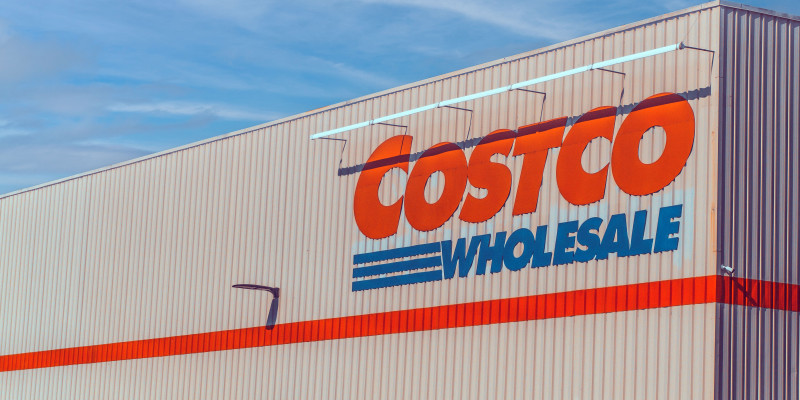
We work directly with large retail chains such as Costco. These relationships help us understand demand, plan production, and manage shipments more efficiently.
We also partner with distributors who share our goal of keeping quail eggs accessible.
Closer coordination helps us manage inventory, reduce unnecessary freight and bring our eggs to more communities without adding avoidable costs.
Spring Creek quail eggs continue to reach hundreds of new store shelves across Canada and the United States. That growth helps us build scale and spread the cost of our farm, feed mill, food safety systems, equipment and distribution across more packages.
For us, growth is not only about selling more eggs. It is part of how we protect affordability.
We continue looking for ways to reduce waste, simplify work and use feed, energy, labour and packaging more efficiently. Small improvements, repeated thousands of times, can make a meaningful difference.
And we will not lower our standards to save money.
We will continue investing in food safety, animal care, biosecurity and product quality. Keeping prices low cannot come at the expense of the trust people place in us.
We cannot control wars, energy markets, fertilizer prices, tariffs or inflation. But we can control how we operate.
If a price adjustment becomes necessary, we will explain why.
For now, our focus remains the same:
To operate responsibly. To support the people around us. And to keep high-quality quail eggs accessible to more families, in more places.
How can you help?
If you buy our quail eggs, you are already helping support our mission.
You can also like, share or subscribe to our social media content. And please continue sharing our recipes with friends and family.
The more people who discover how easy quail eggs are to prepare—and how good they taste—the more efficiently we can grow.
Thank you for being part of our flock.
God bless,
Aaron